
Gaming Factory
Give the party somewhere better than a collapsing Discord scroll.
For publishers, guild leaders, game masters, league runners, miniature painters, board game hosts, and anyone trying to schedule six adults around a calendar boss fight.

Free forever. No credit card. No boring stuff.

What Helps
What keeps players from scattering after the match, session, or rules argument.
Gaming communities do not just need chat. They need durable guides, dependable events, trusted squads, release and rules updates, progress logs, and status for the people carrying the group like an underleveled party member.
-
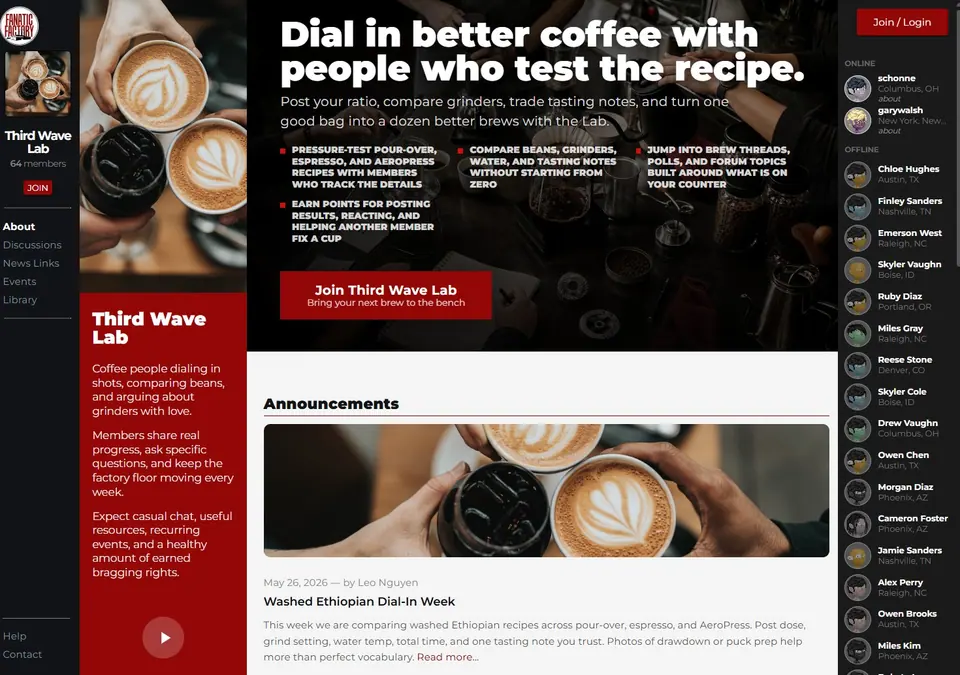
A public home base for the game, table, or tribe:Public Promo Pages give publishers, clubs, guilds, campaign groups, and tournament organizers a shareable front door so new players know what kind of room they are joining before they hit login.Learn more about Public Promo Pages
-
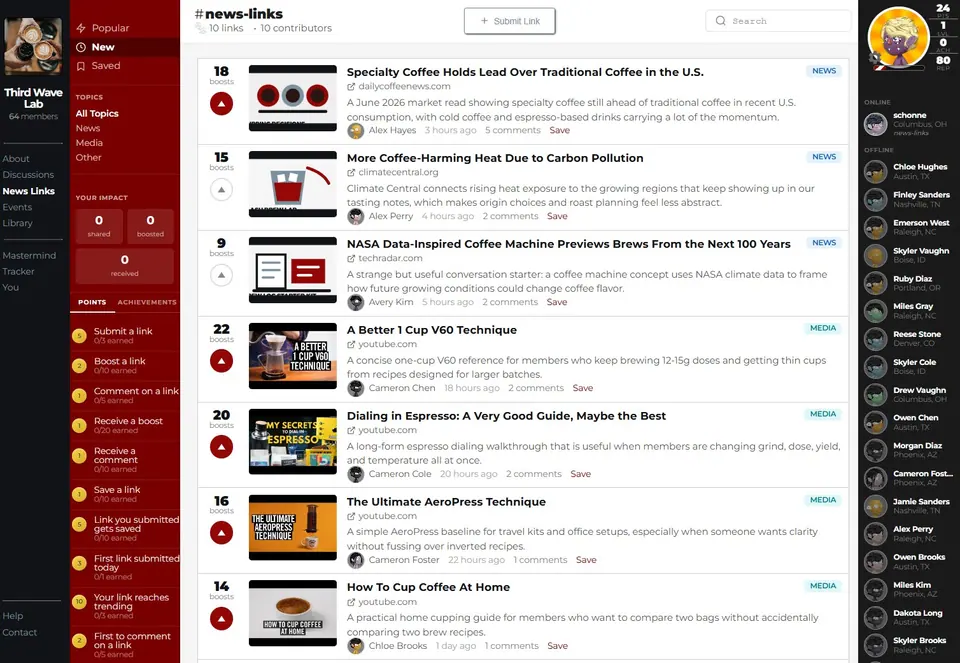
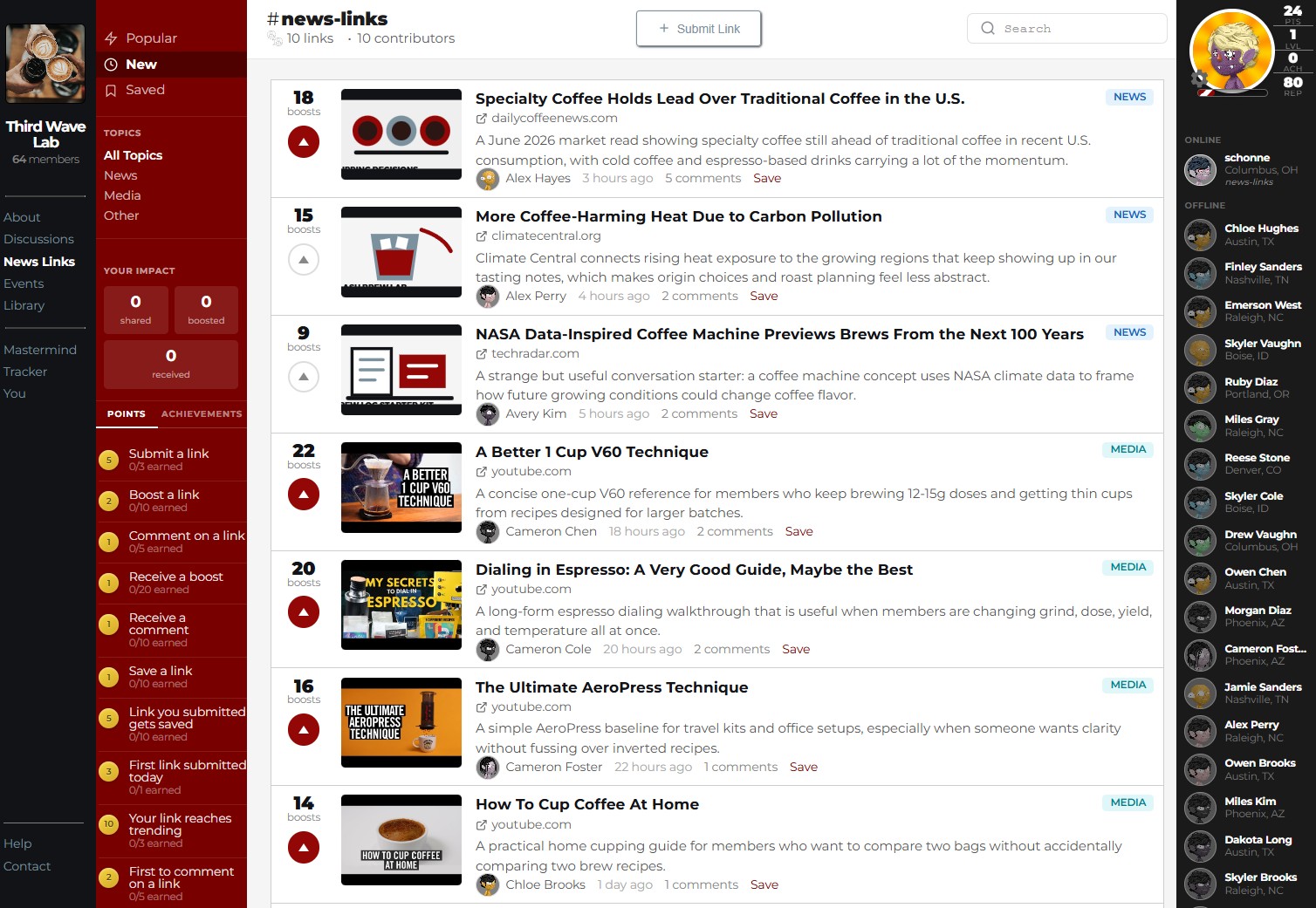
Patch notes, errata, rules updates, and release radar:News links keep game updates, balance changes, codex and FAQ drops, tournament coverage, dev posts, deck lists, and strategy videos in one lane where the group can actually find them.Learn more about News links
-
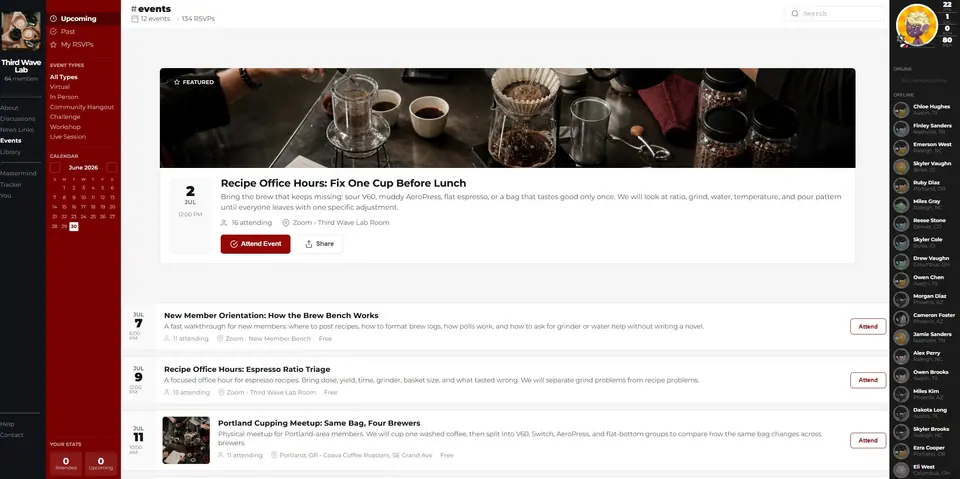
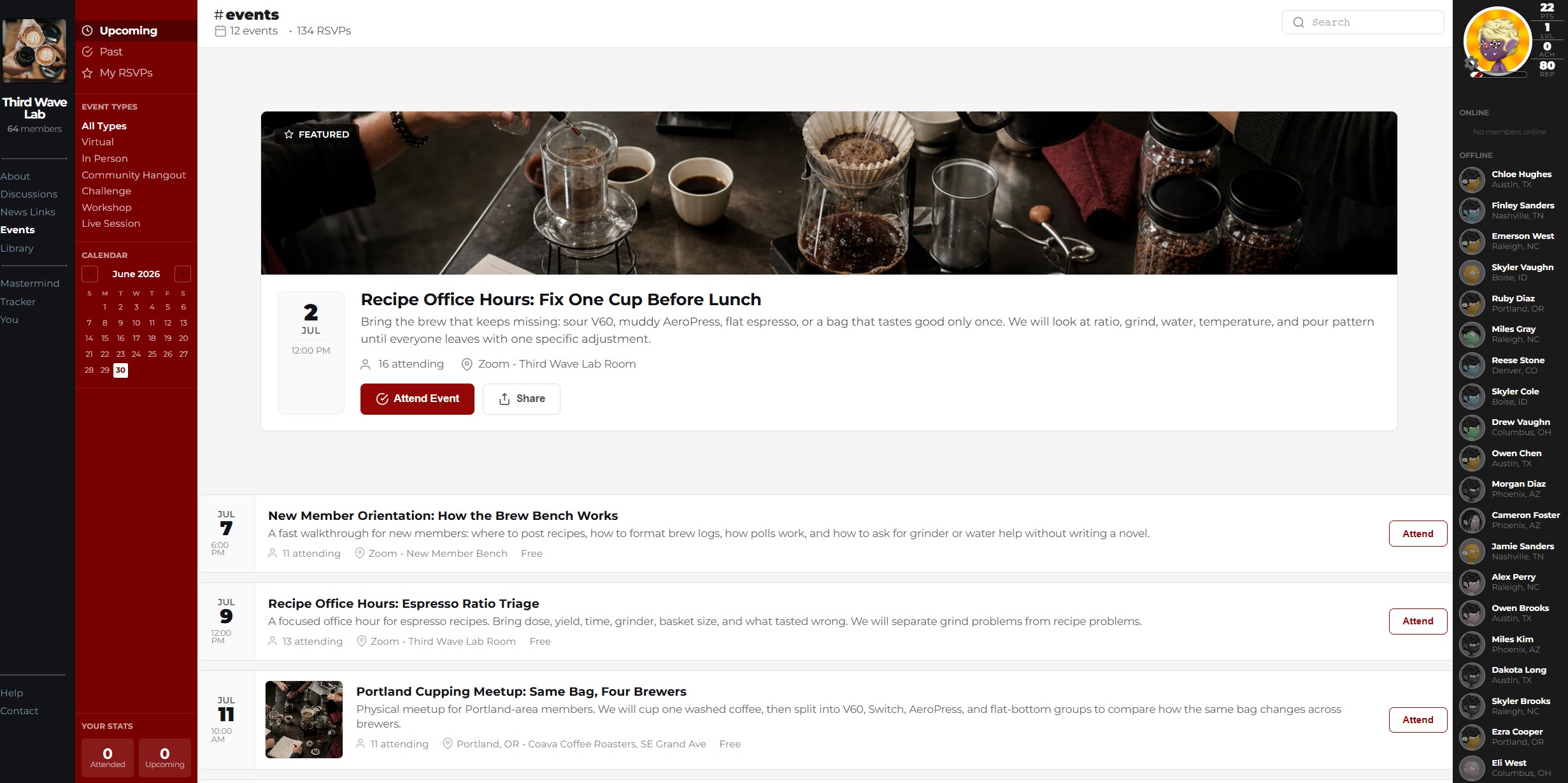
Game nights, raids, leagues, drafts, and campaign sessions:Events and announcements give organizers a reliable calendar for RPG sessions, board game nights, store meetups, raid times, beta tests, launches, tournaments, painting days, and the sacred ritual of finding out who is late.Learn more about Events and announcements
-
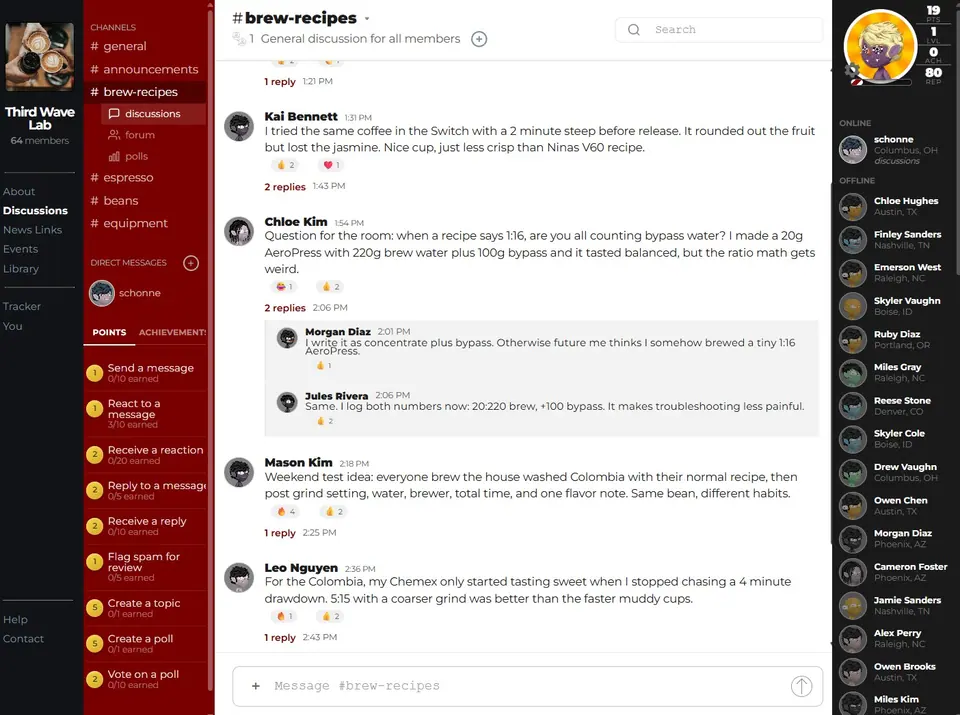
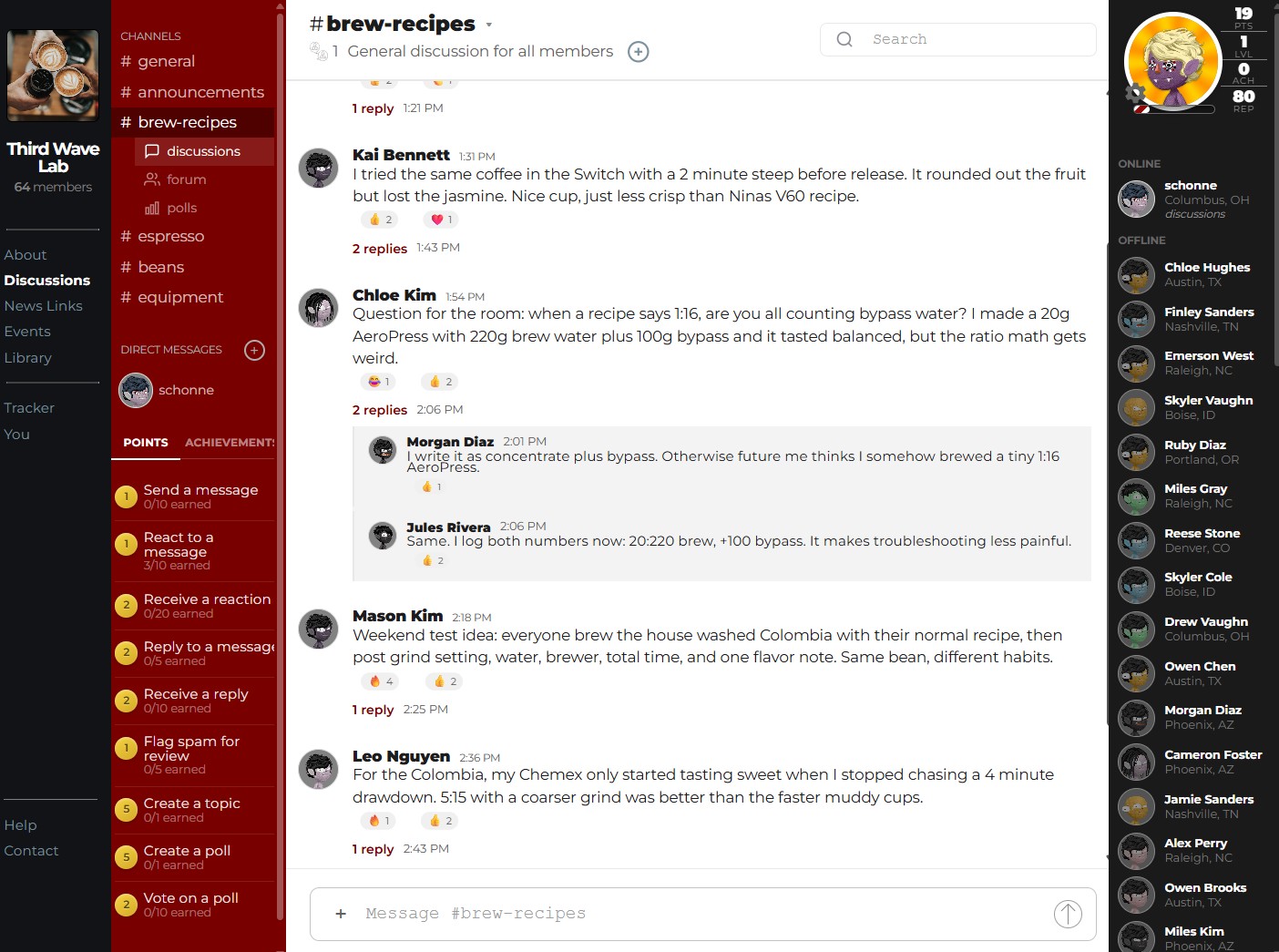
Strategy talk that survives the scroll boss:Discussions and DMs keep rules questions, build advice, lore arguments, match reports, campaign recaps, troubleshooting, and private squad talk from being eaten by live chat at 1:14 a.m.Learn more about Discussions and DMs
-
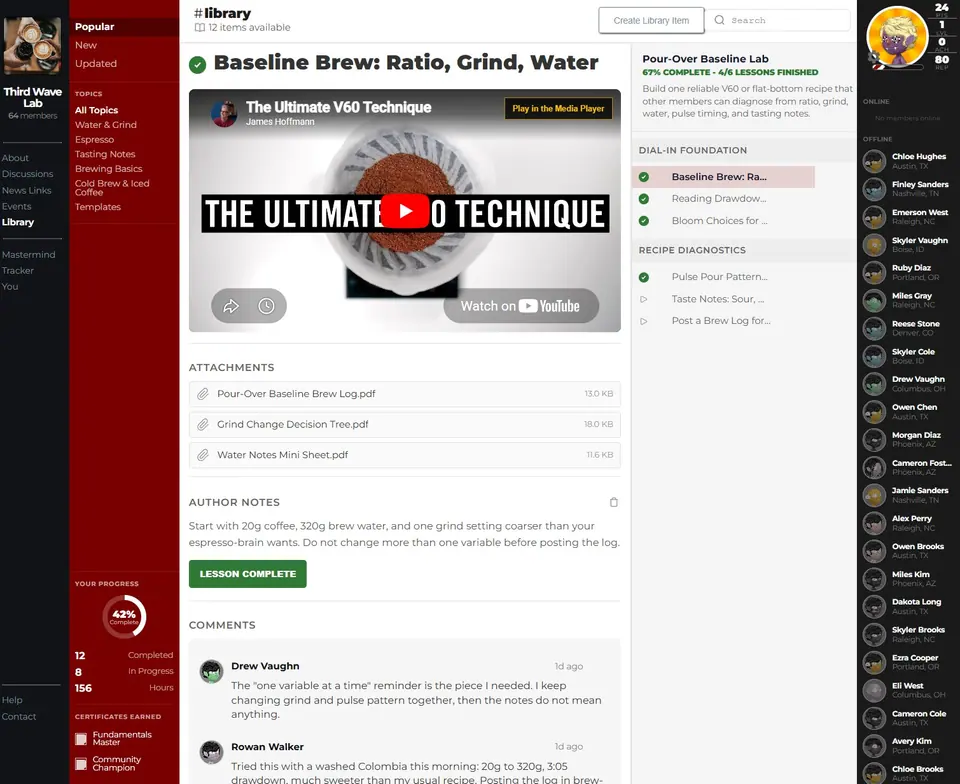
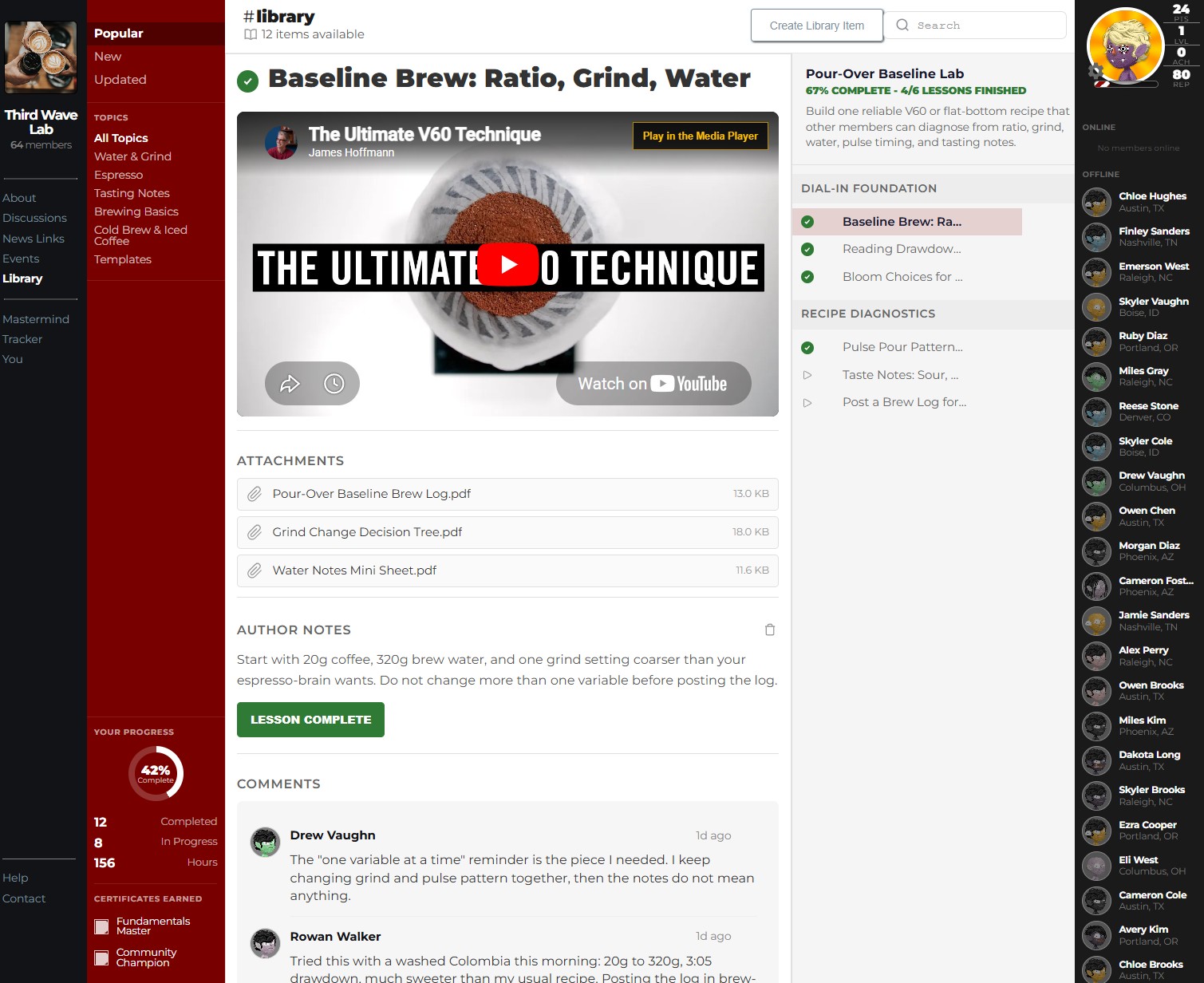
Guides, tutorials, builds, and table resources:Courses and downloads keep game guides, starter docs, painting tutorials, RPG handouts, campaign lore, tournament packets, mod notes, deck tech, army lists, and onboarding material where new players can stop asking the same question with different punctuation.Learn more about Courses and downloads
-
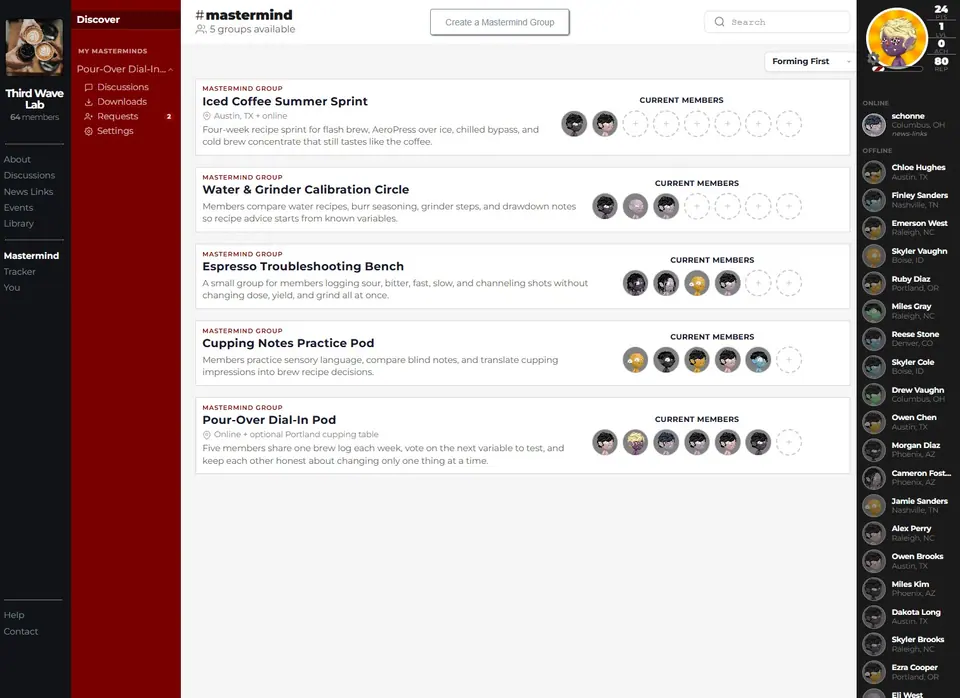
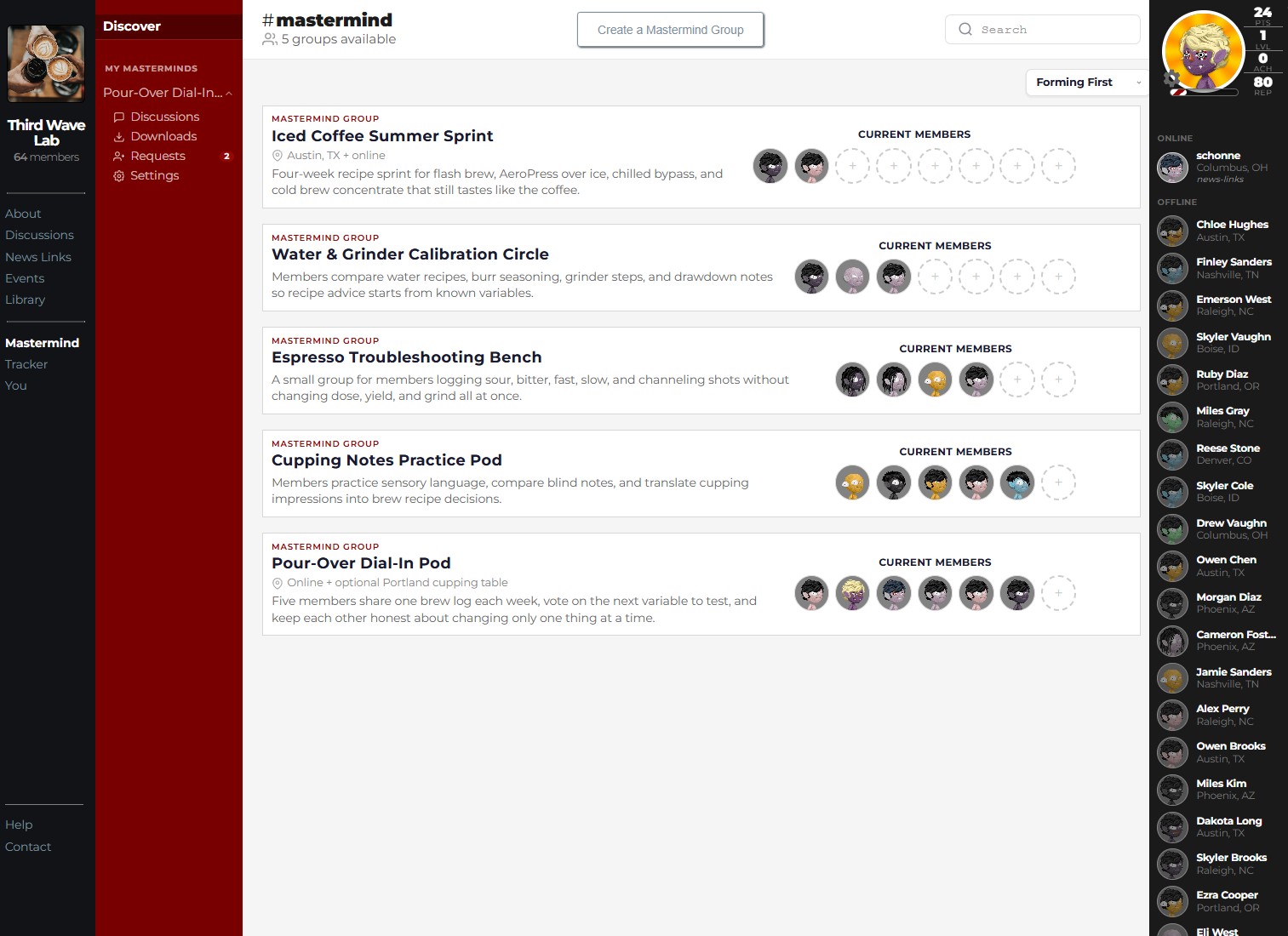
Parties, guilds, clans, tables, and league pods:Mastermind groups let organizers create smaller rooms for raid teams, RPG parties, wargaming clubs, painting crews, beta testers, tournament squads, deck-testing pods, and publisher playtest circles.Learn more about Mastermind groups
-
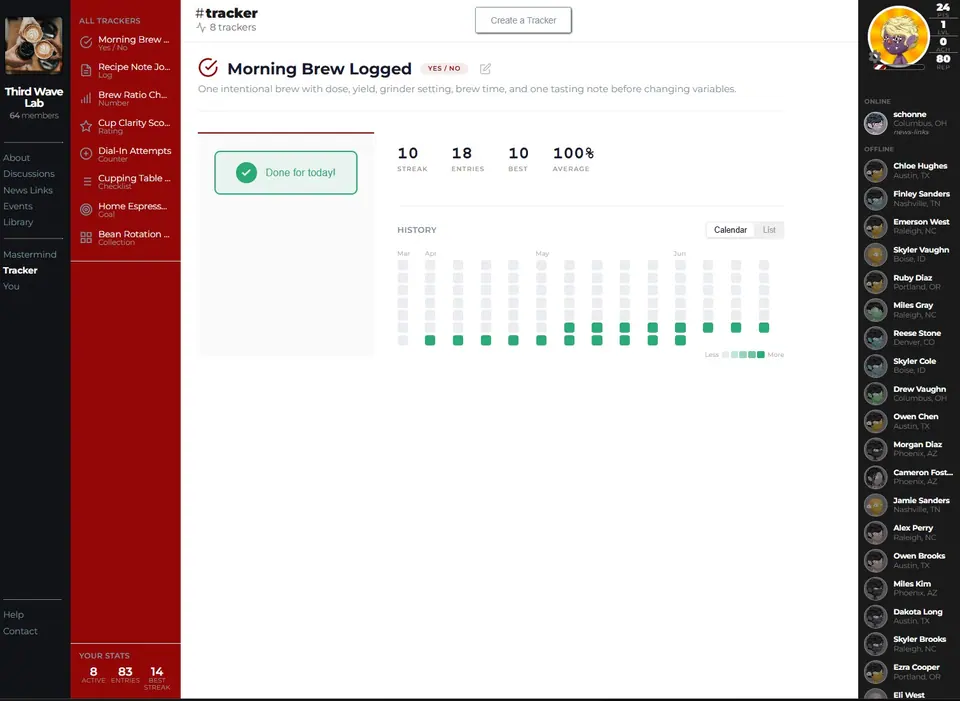
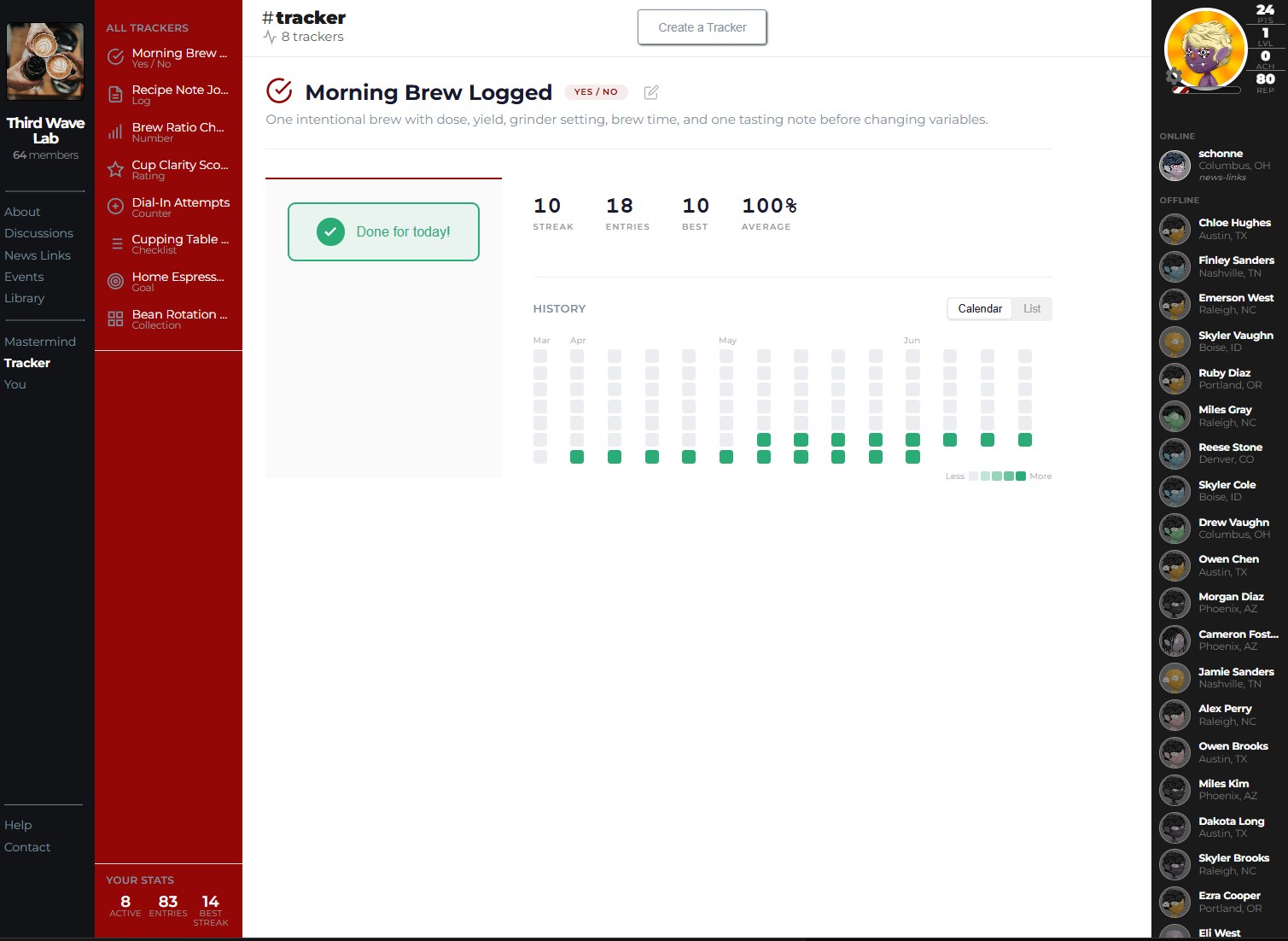
Receipts for progress nobody should track in a notes app:Trackers help members log campaign milestones, league standings, painting backlog, practice reps, achievement hunts, deck testing, army builds, raid prep, and collection goals.Learn more about Trackers
-
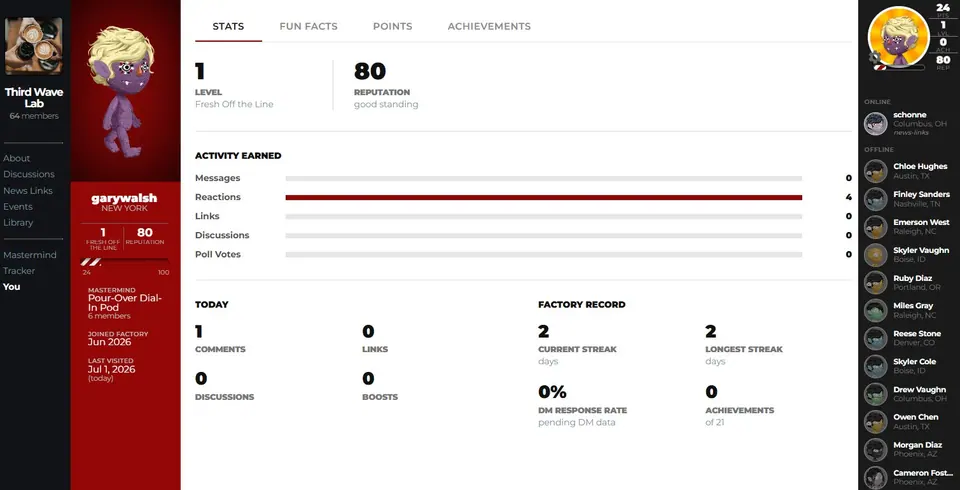
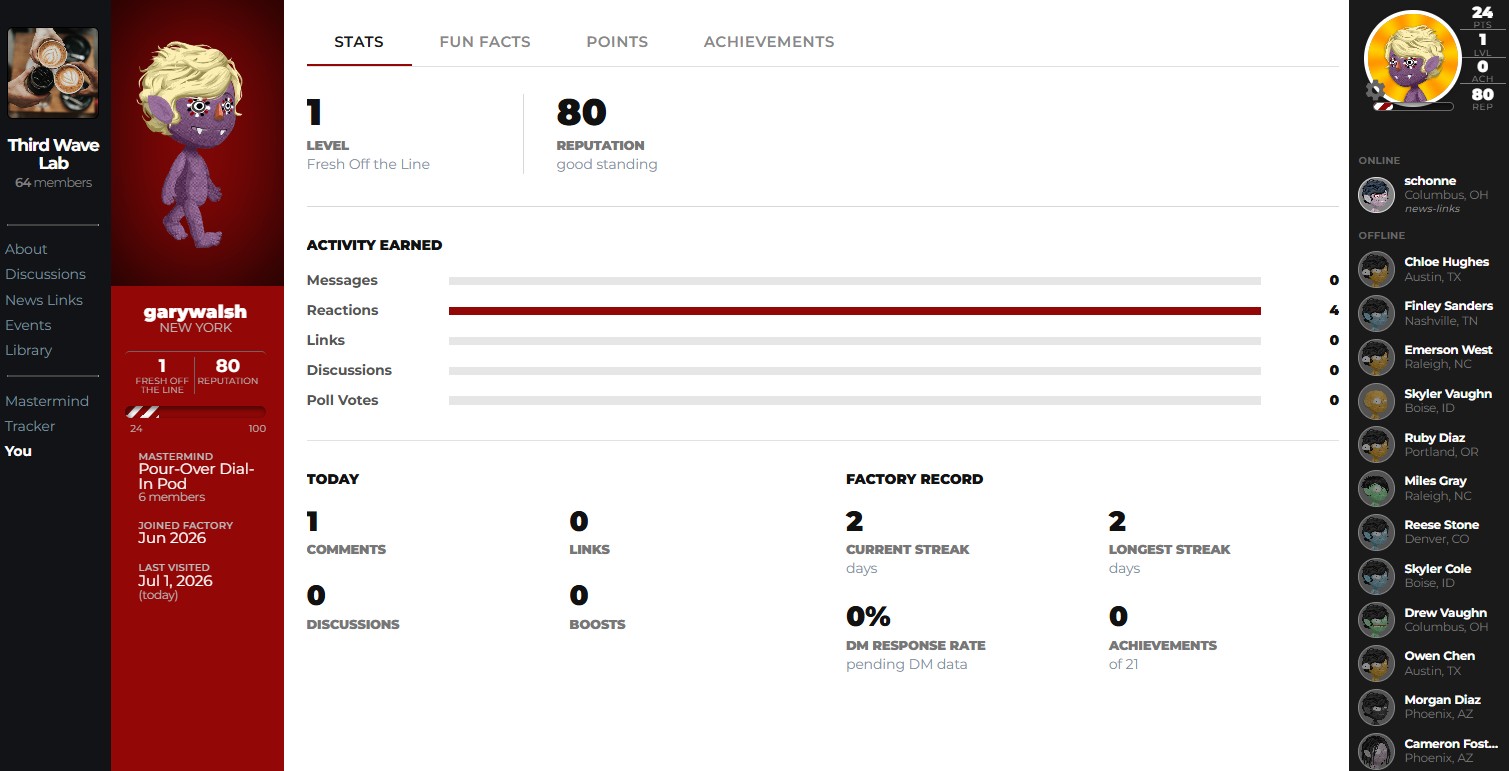
Trust signals for the people who keep the table alive:Reputation and member profiles help reliable game masters, raid leads, rules helpers, table captains, tournament organizers, trade partners, and useful regulars stand out before the group hands them responsibility.Learn more about Reputation and member profiles
-
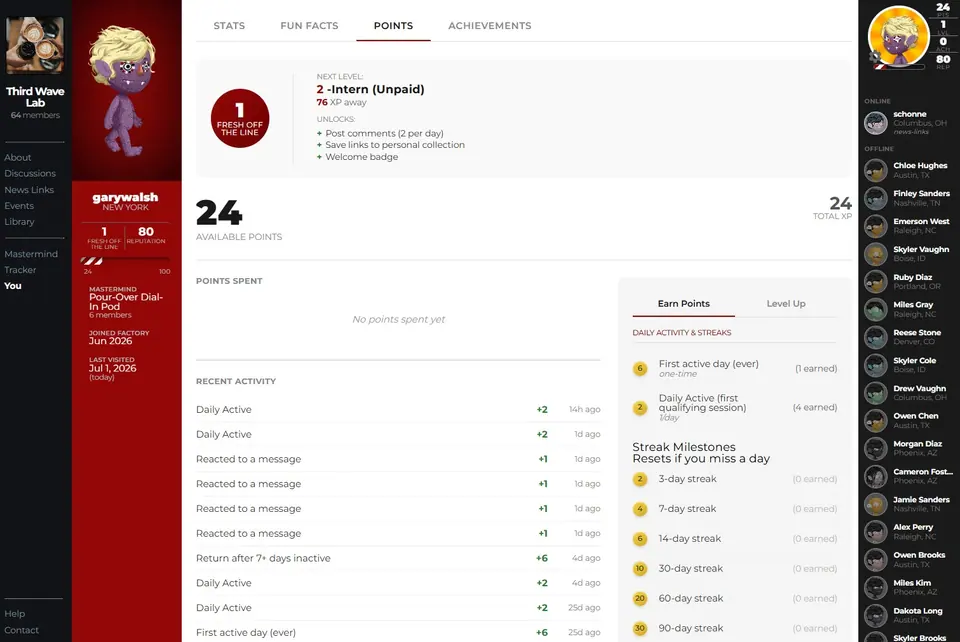
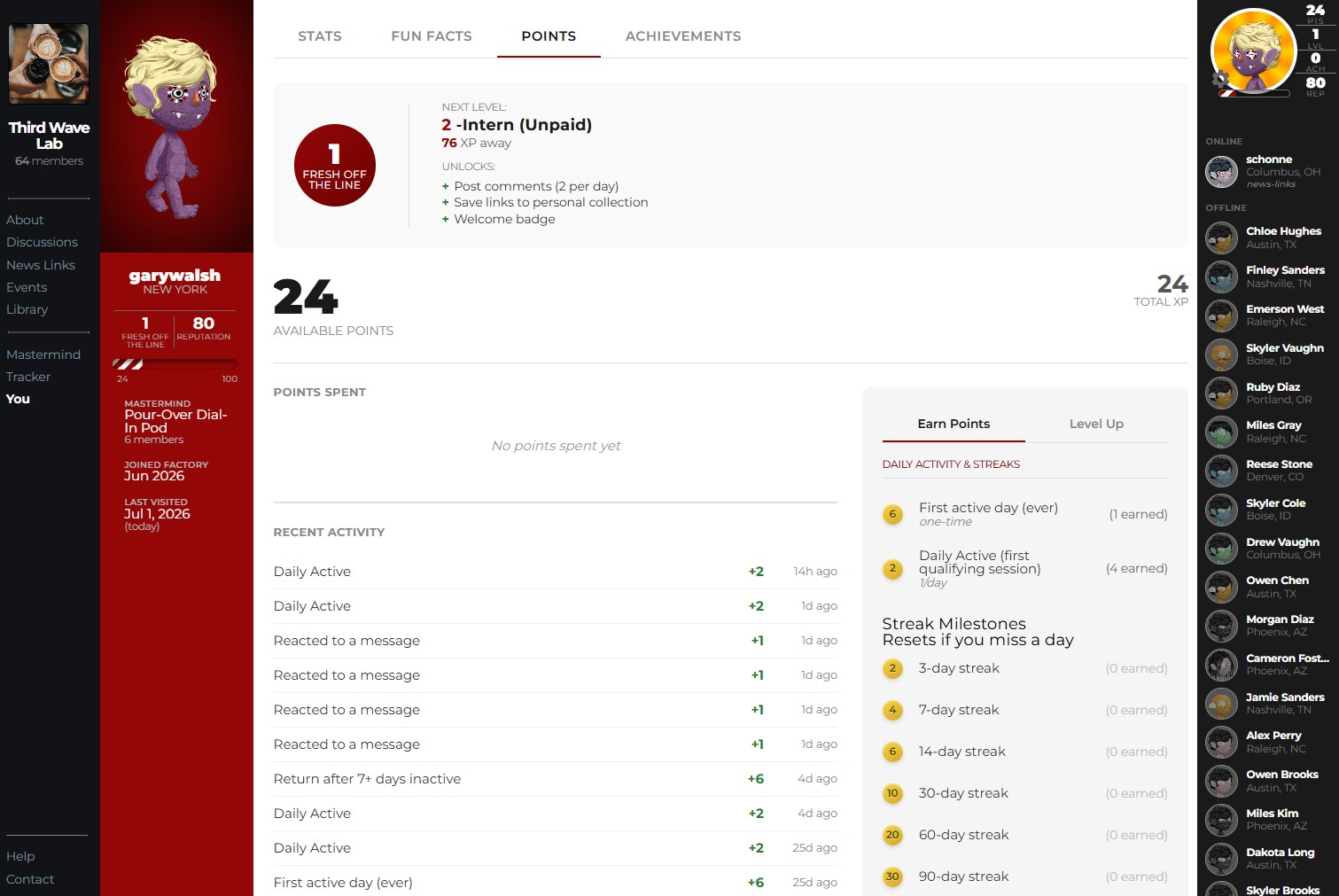
Bragging rights without a hand-made spreadsheet:XP, levels, streaks, and achievements make helpful answers, event attendance, game reports, painting progress, guide writing, and community work visible without asking the organizer to become a part-time accountant.Learn more about XP, levels, streaks, and achievements
-
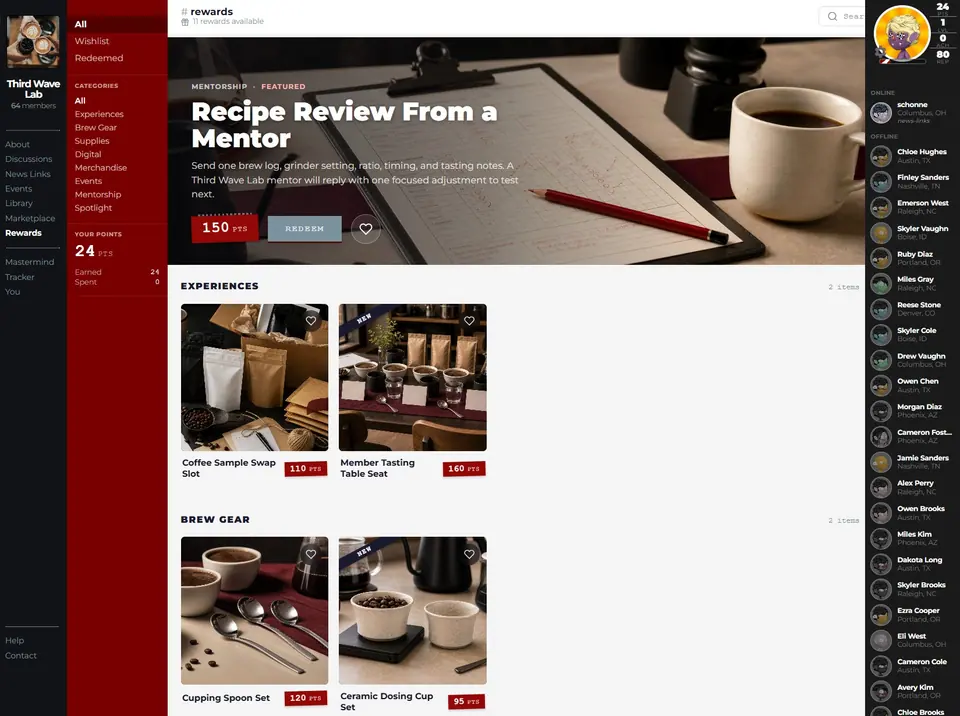
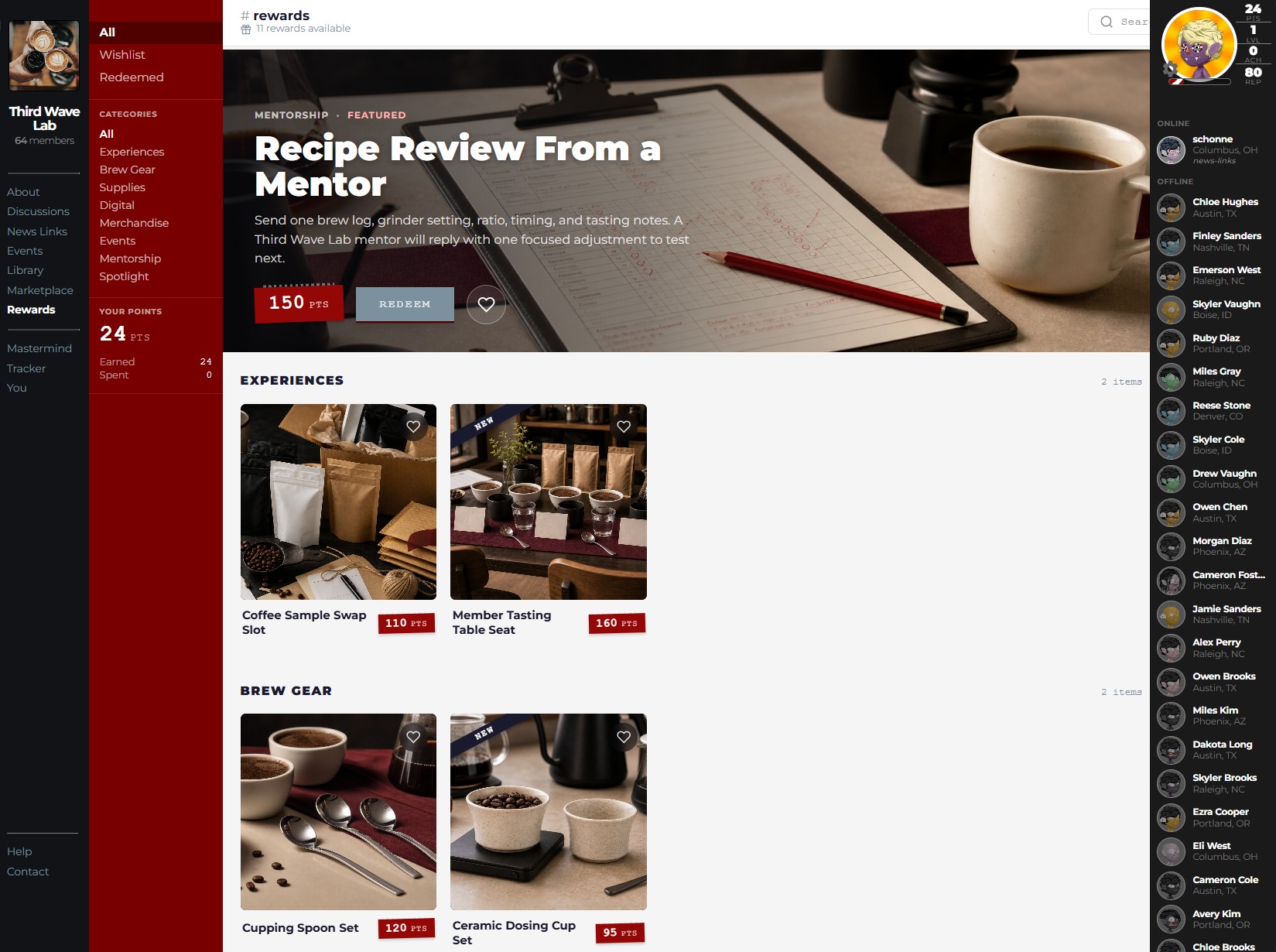
Rewards for the players carrying the guild bank:Rewards let organizers connect points to downloads, discounts, beta access, event seats, table priority, coaching slots, merch, private rooms, or the tiny digital carrot that makes grown adults suddenly punctual.Learn more about Rewards
-
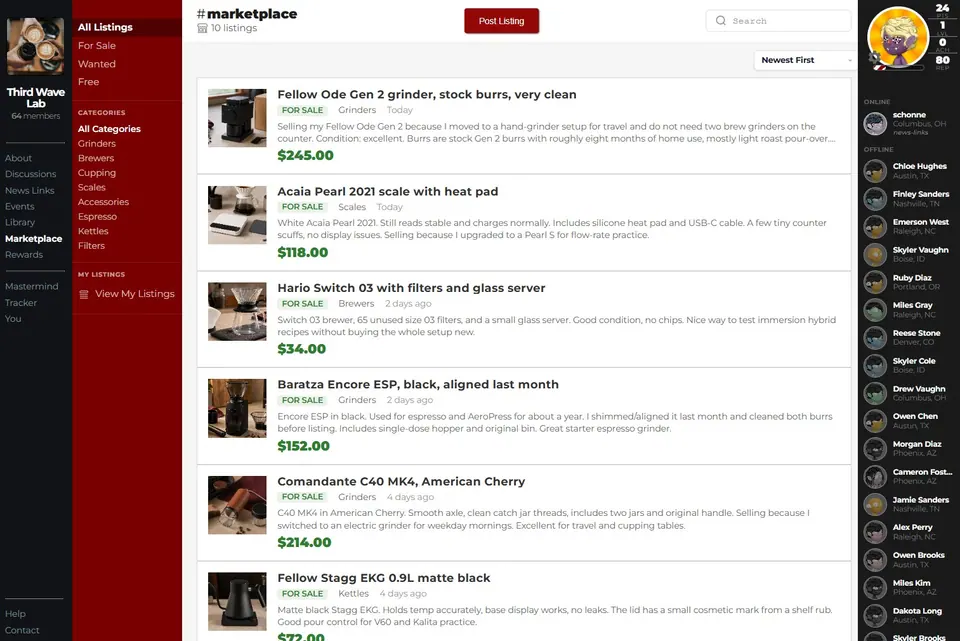
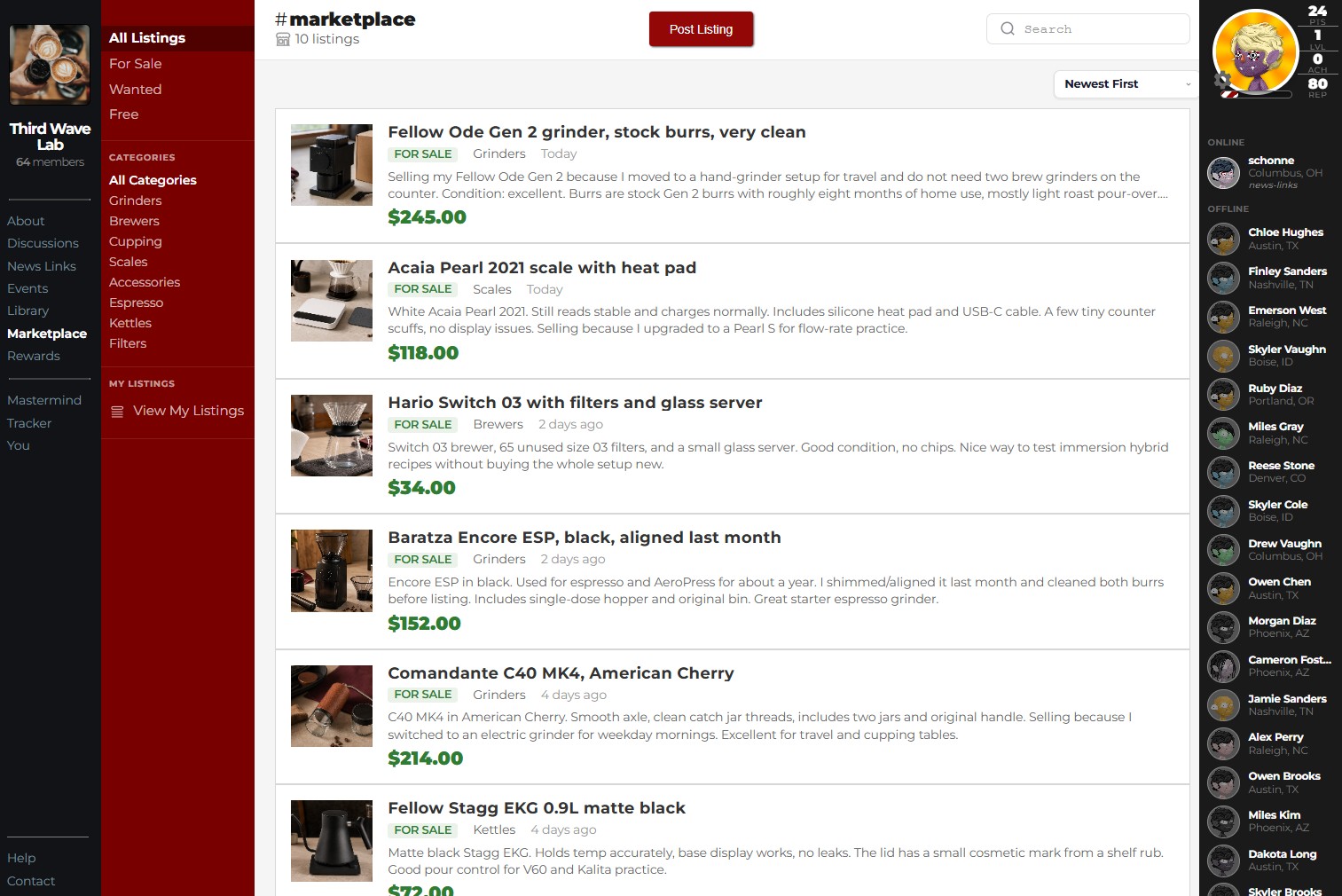
A floor for trades, minis, services, and useful gear:Marketplace gives members a structured place for used games, minis, bits, commissions, deck boxes, dice, terrain, painting services, coaching offers, LFG posts, and community-relevant requests.Learn more about Marketplace
-
Direct help for players who want to stop feeding the boss:Coaching gives experts a place for VOD reviews, painting lessons, GM prep, rules clinics, deck tuning, raid calls, onboarding help, and strategy sessions tied to the same community.Learn more about Coaching

Privacy And Trust
Keep the public promise separate from the private community.
Gaming communities need enough public signal for the right people to recognize the community, and enough privacy for members to participate without feeling exposed.
FanaticFactory lets the public page explain the promise while conversations, resources, member lists, events, trackers, and smaller groups stay behind the access rules the owner chooses.
- Public front door, private interior:Prospects can understand the video games promise while the working parts of the Factory stay member-only.
- Feature-by-feature visibility:Discussions, events, resources, trackers, rewards, groups, and marketplace areas can be opened or restricted for visitors, members, or paid members.
- Identity choices:Owners can encourage usernames and avatars where privacy helps, or real profiles where trust, accountability, and stronger ties matter more.
- Safer member context:Profiles and reputation give video game communities, tabletop RPG groups, miniatures clubs, TCG groups, board game leagues, esports teams more context before they trust advice, offers, introductions, or heated conversations.
Grow
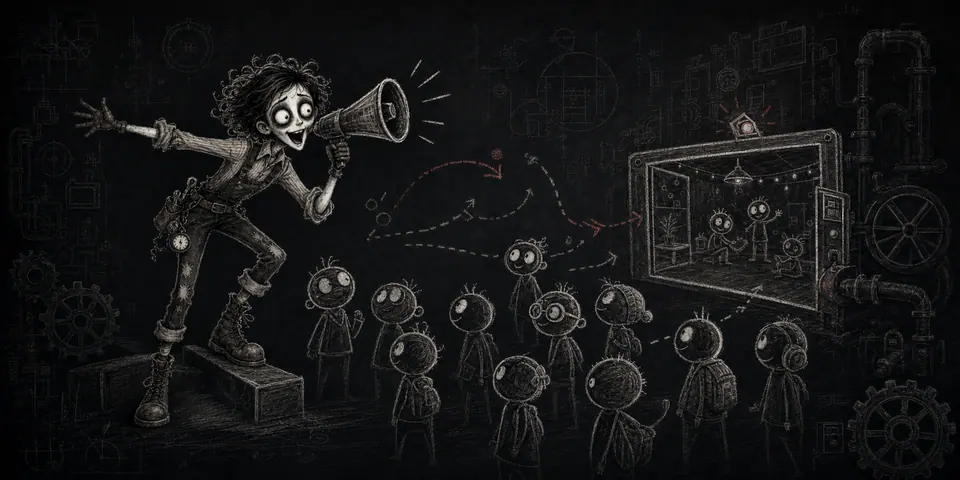
Make the game easier to find before the next launch, league, or table night.
- Public promo pages:Give the game, club, server, campaign, or publisher community one clear door to share.
- News links:Turn patch notes, rules updates, dev posts, release news, errata, and strategy content into recruitable signal.
- Events and announcements:Use sessions, launches, demos, tournaments, raids, meetups, and game nights as the moments that pull new players in.
- Guest previews:Let curious players see the community has real activity before they commit to another login and another username.
- Courses and downloads:Make starter guides, rules primers, onboarding docs, and play resources visible proof that this room knows what it is doing.
Retain
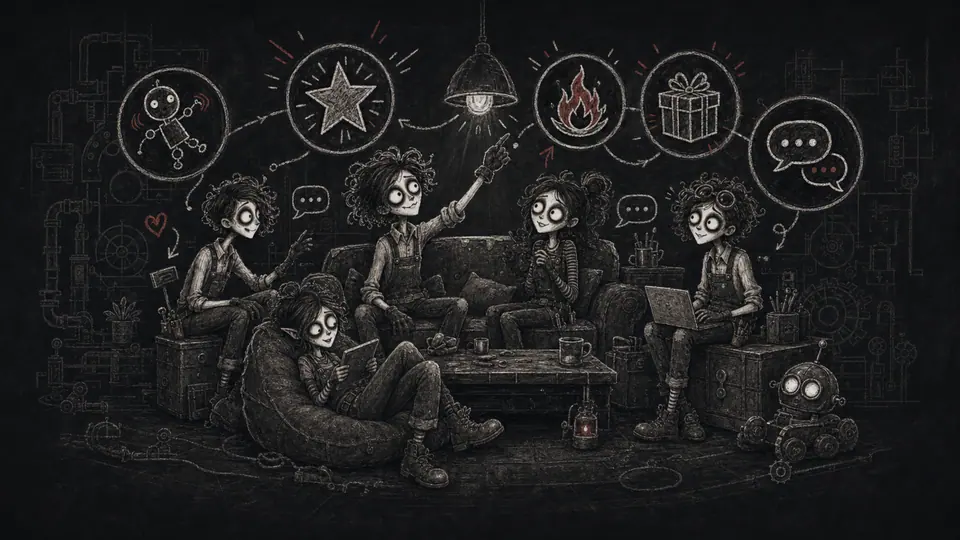
Keep players coming back after the hype trailer, session one, or first bad dice night.
- Discussions and DMs:Keep build talk, rules help, table recaps, lore arguments, and squad coordination close to the people who care.
- Events:Give members a reliable rhythm of game nights, campaign sessions, raids, leagues, drafts, demos, and playtests.
- Trackers:Let players log progress, practice, campaigns, painting, collections, achievements, and league movement.
- Mastermind groups:Put serious teams, tables, crews, and playtest groups in smaller rooms where follow-through has fewer escape tunnels.
- Reputation and profiles:Make the reliable organizers, helpful rules people, and good table citizens visible before toxicity gets a turn.
- Library:Keep guides, tutorials, packets, references, and campaign material findable after chat has moved on to blaming the dice.
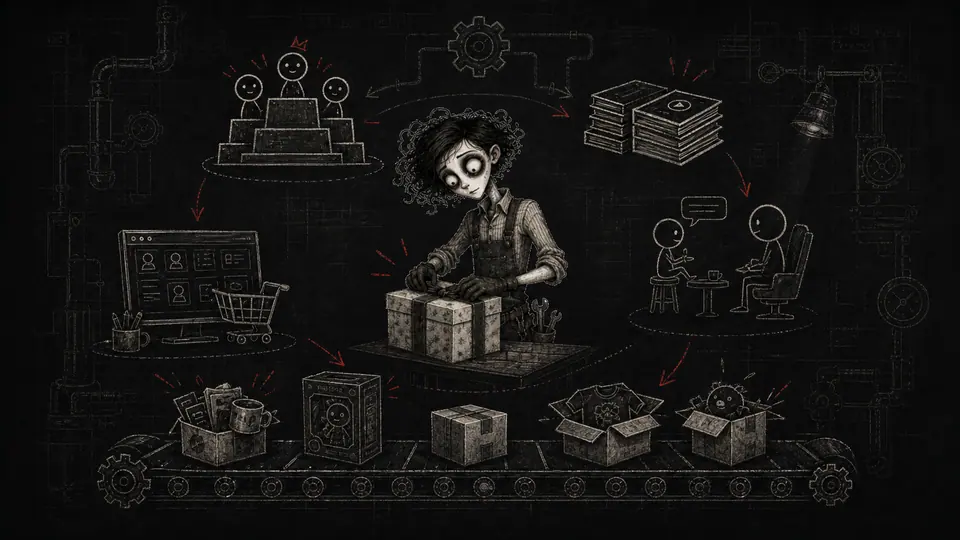
Revenue
Monetize the room without turning the guild into a checkout screen.
- Premium access:Offer premium rooms, early access, private leagues, advanced guides, playtest circles, or supporter areas for players who want more.
- Courses and downloads:Sell guides, tutorials, starter packs, painting lessons, GM prep kits, tournament packets, build sheets, or publisher resources.
- Events:Run paid tournaments, workshops, beta weekends, league seasons, coaching clinics, campaign seats, or launch events.
- Marketplace:Give minis, used games, commissions, terrain, accessories, deck help, coaching, and community services a structured floor.
- Rewards:Use points for discounts, downloads, table priority, beta access, merch, private seats, and the kind of perk people will absolutely pretend not to care about.
- Coaching:Let experts sell lessons, VOD review, GM support, painting help, deck tuning, or strategy work without moving players out of the Factory.
Factory Floor
Build the room where the party actually sticks together.
Games create tribes fast. Keeping them organized is the real raid boss. Give players a place for the rules question, the campaign recap, the next table, the patch freakout, the painted mini, the guild win, the trade, the guide, and the inside joke that makes people come back after the match is over.
Free forever. No credit card. No boring stuff.