
The Sale Is The Starting Line
Most products are delivered with a receipt, a download link, and the cheerful assumption that the buyer will figure everything out. Then the product joins a distinguished collection of unopened tabs, unwatched videos, and very aspirational PDFs.
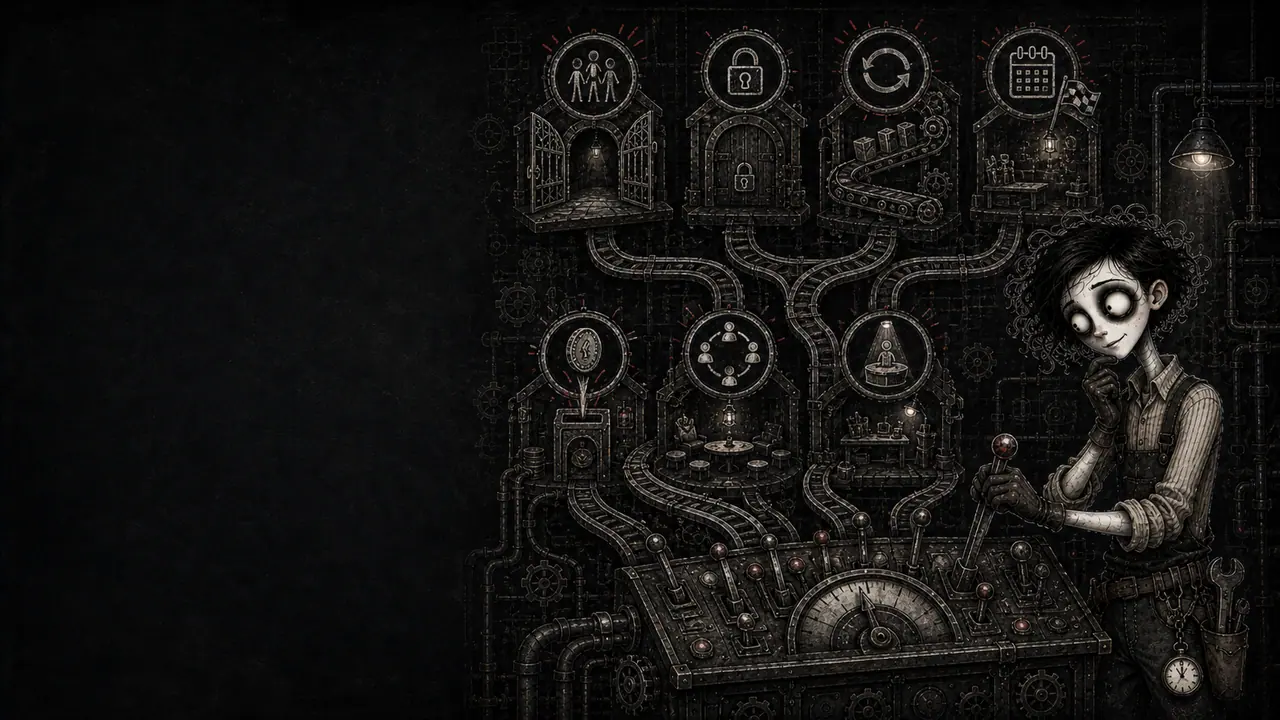
A Product Experience surrounds the purchase with a path: verified access, a focused library, usage tracking, discussion, member submissions, password unlocks, and rewards tied to real progress. It works with a Factory product or an external product. The point is not where the checkout happened. The point is what happens after.
Growth Comes From Visible Customer Success
People trust products they can see working for people like them. A Product Experience creates a responsible place for examples, questions, submissions, milestones, and outcomes to accumulate. That proof makes referrals easier because customers have a concrete story to share.
The community around the product can also surface the language buyers use, the objections they face, and the results they value. That becomes better marketing material than copy invented during a late-night staring contest with a blank landing page.
Retention Improves When Use Becomes Easier
Retention is often a product-use problem wearing a customer-loyalty hat. If members cannot find the next action, get unstuck, or see progress, enthusiasm decays. Focus the experience on the smallest path from purchase to first result, then support the moments where people commonly stall.
Use discussions for contextual help, the library for the minimum useful guidance, trackers for behavior or outcomes, and submissions when feedback matters. The experience should reduce effort. If it becomes a second product the customer must learn before using the first one, the plot has been misplaced.
Revenue Expands After The Result
Customers who use a product and reach a meaningful result are better candidates for renewal, replenishment, an advanced offer, coaching, or a related product. Build those next offers around the natural next problem, not around the fact that the sales calendar says Thursday.
Product rewards can reinforce valuable use, celebrate contribution, or unlock the next layer. Keep rewards subordinate to the outcome. The goal is a customer who succeeds and buys again, not a highly decorated customer who still has no idea what the product does.
Build Around The Success Path
Map the path from verified purchase to first useful result. Identify the three questions buyers ask, the two places they stall, and the one proof point that signals success. Let those answers determine the experience features.
The best Product Experience makes the product easier to use, the customer easier to support, and the next purchase easier to justify. Anything else may be charming, but it is probably furniture.
Traps That Make This Weird
- Dumping the entire product archive into the experience on day one.
- Rewarding logins instead of useful product behavior and outcomes.
- Treating support questions as interruptions instead of product insight.
- Pitching the next offer before the customer reaches the first result.
Implementation Checklist
- Define the first result the buyer should reach.
- Map the smallest useful path from purchase to that result.
- Choose discussions, library items, trackers, or submissions only where they reduce effort.
- Collect proof with permission at meaningful milestones.
- Place the next offer after success, not merely after time passes.
Success Metrics
- More buyers reach the first product result.
- Support questions become easier to answer and less repetitive.
- Customers contribute useful examples, answers, or submissions.
- Repeat purchase, renewal, or upgrade follows demonstrated use.
Failure Metrics
- Buyers enter the experience but still do not use the product.
- The library grows while completion and outcomes stay flat.
- Rewards produce clicks without better product behavior.
- Upsells arrive before customers can describe any value received.